Peptide Purity Resolution Imaginative Peptides-peptide Medicine Discovery
Peptide Purity Decision Creative Peptides-peptide Medication Discovery
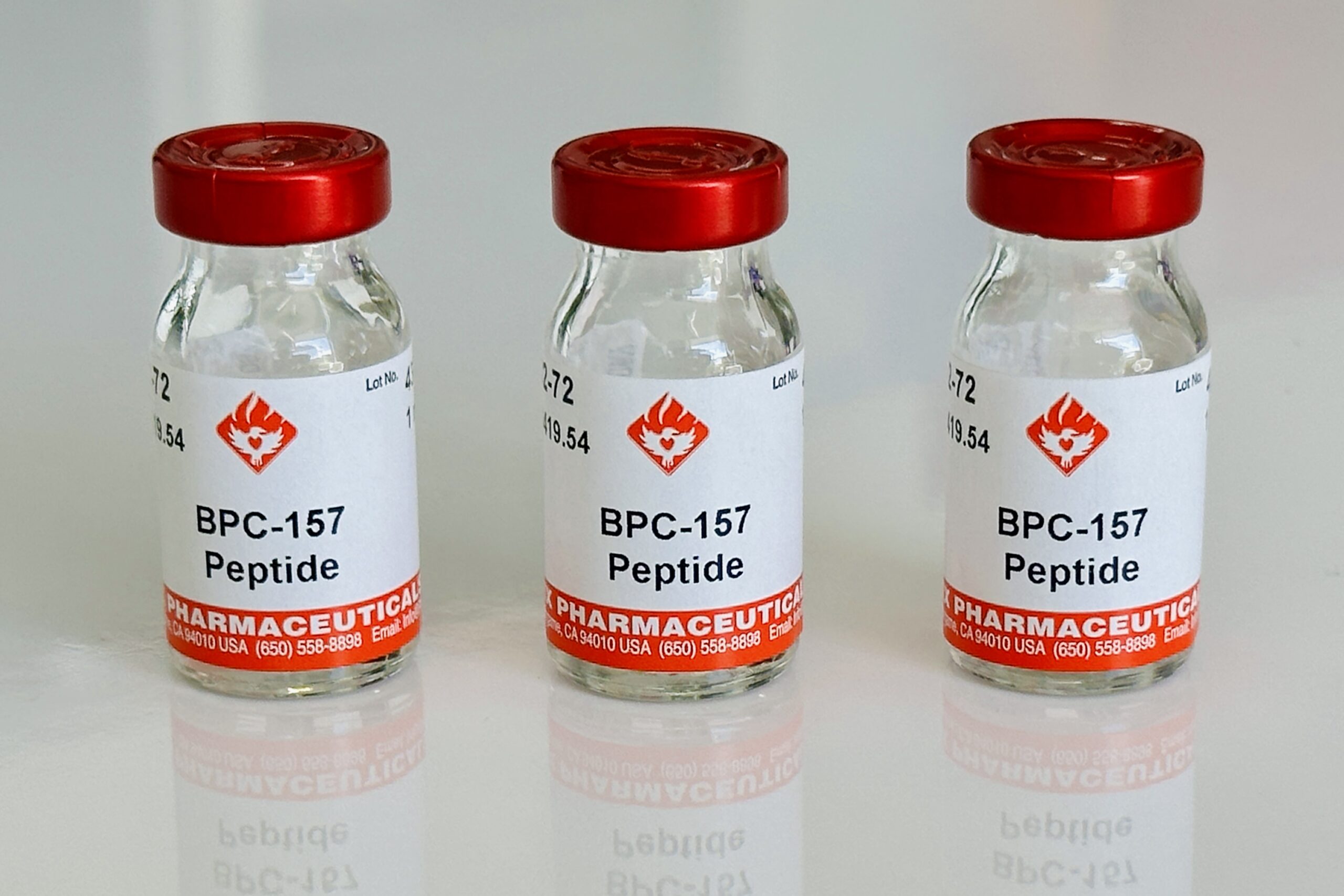

A solitary common chromatographic technique is typically inadequate for peptides that are hydrophobic, highly basic, closely relevant in sequence, or partially detoxified. We give HPLC and UPLC pureness evaluation operations that concentrate on valuable splitting up instead of just creating a percent. We make analytical operations around the example type, sequence functions, adjustment account, and decision context. Tasks might entail unrefined intermediates, detoxified peptides, stored lots, client-supplied materials, or products created via our personalized peptide synthesis system.
Why Peptide Chemical & Physical Analyses Matter In Real Jobs
- For speculative preparation (like determining molar concentrations), both purity and net content are useful numbers, however pureness is what mirrors the chemical homogeneity of the peptide sample.
- The injector presents an exact volume of example right into the mobile-phase stream.
- Nevertheless, for complete top quality evaluation or the characterization of peptides for a range of applications, extra logical tests are suggested.
- A relied on lab should have verifiable experience in peptide chemistry analysis-- as an example, PhD-level drug stores or biochemists on team who understand peptides' synthesis and deterioration paths.
- It's an additional step that offers scientists confidence that each peptide satisfies consistent, proven standards.
Enhancing HPLC, laboratories use Mass Spectrometry (usually coupled as LC-MS) to confirm the peptide's molecular weight and series identity. Mass spectrometry offers molecular verification by detecting the precise mass of the peptide and any co-eluting species or trimmed sequences with high precision. With each other, HPLC and MS information allow analysts to confirm that the peptide's composition matches what it ought to be (right amino acid sequence and anticipated alterations) and that no substantial pollutants are present.
Mass Spectrometry (ms): Identity Verification
The table listed below web links typical project objectives to practical analytical panels and the type of choices they aid sustain. Asparagine and glutamine deposits can go through deamidation, changing the peptide's cost and hydrophobicity. Deamidation is one factor storage conditions issue, especially after a peptide has been reconstituted. Every product we carry is lab-tested and validated by third-party companions, so scientists know specifically what they're working with. Peptides containing methionine or cysteine deposits are susceptible to oxidation. Methionine can be oxidized to methionine sulfoxide; cysteine can develop undesirable disulfide bonds or be oxidized to sulfinic or sulfonic acid by-products.
Our Peptide Chemical & Physical Analysis Services
Creative Peptides proposes a series of various purity levels to aid you select the appropriate peptide purity for peptide-based assays and applications. The following checklist reveals the recommended peptide pureness levels required for numerous peptide applications. Peptide recognition is primarily done making use of mass spectrometry (MS), which supplies accurate measurements of peptide molecular weight. In addition, methods such as amino acid analysis and HPLC are employed to confirm the peptide's identification and pureness, making sure accurate characterization for different applications. We give peptide identification confirmation utilizing mass-based approaches selected for the sample and logical purpose. This is necessary when the primary concern is whether the observed part matches the designated peptide or whether an alteration has been incorporated as anticipated.
" Mass spectrometry answers "is the detected substance regular with the desired peptide identification? " Together they offer more powerful Peptide Works muscle recovery peptides batch-level proof than either approach alone. In the common peptide COA context, peak pureness generally refers to the percentage of complete chromatogram location represented by the major peptide optimal. It is an area-percent purity measurement, not a complete identity or task test. Significantly, purity percentages describe chemical composition only-- they do not show sterility or organic viability. Peptides from Maxed Out Substances are provided specifically for lab study use and are not planned for human or veterinary functions. Peptide pureness is usually revealed as a percent, such as 95% or 98%. This figure represents just how much of the sample is composed of the wanted peptide sequence. For the majority of research laboratory applications, a purity of 95% or higher is considered research-grade.